Recycling and Sustainability for Landscaping Purley
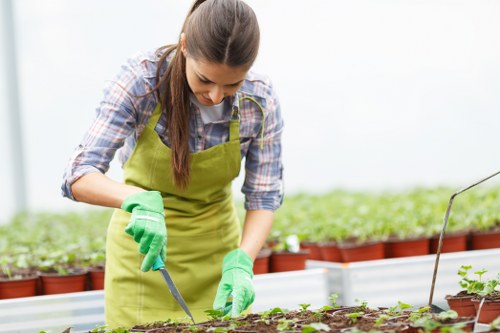 At Landscaping Purley, recycling and sustainability are built into everyday work, not treated as an afterthought. Our approach to purley landscaping projects focuses on reducing waste, reusing materials where possible, and choosing lower-impact methods that support greener outdoor spaces. From small garden updates to larger landscape improvements, we aim to keep useful resources in circulation and cut down on what ends up in landfill.
One of our main goals is a minimum recycling rate of 90% across suitable green waste and hard landscaping materials. That means soil, turf, branches, leaves, stone, timber offcuts, and other recoverable materials are sorted carefully before removal. In practice, this helps us support cleaner site management and makes landscaping in Purley more environmentally responsible. We also look for opportunities to repurpose materials on site, such as using reclaimed aggregates for drainage layers or retaining viable topsoil for regrading and planting areas.
To make this process effective, we work with local transfer stations and licensed waste facilities that can separate recyclable loads efficiently. These sites help divert green waste into composting streams and send inert rubble to recovery operations rather than disposal. In the wider area, boroughs increasingly encourage clear separation of waste streams, and that approach aligns well with our own practices. As a result, our Landscaping Purley projects can support local resource recovery while keeping collection and sorting as efficient as possible.
How We Support Greener Waste Handling
Our team uses practical sorting methods on every job. Organic material is kept apart from soil and construction waste, while metals, plastics, and treated wood are handled separately when present. This mirrors the wider borough emphasis on waste separation, where households and businesses are encouraged to sort recyclables, food waste, garden cuttings, and general rubbish into clearer streams. By following the same principle on site, purley landscaping work can reduce contamination and improve the quality of materials sent for recovery.
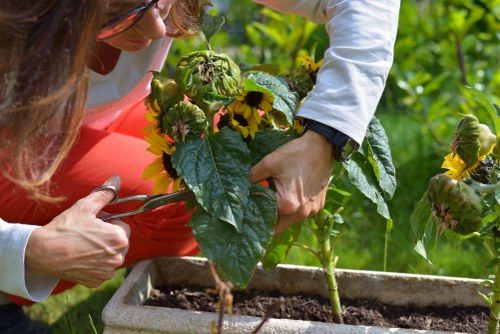 We also make sure that suitable materials are passed into local recycling pathways wherever possible. Clean stone can be screened and reused, timber may be directed toward recovery or specialist recycling, and plant matter can be processed into mulch or compost. This is especially useful for landscaping Purley projects that generate mixed waste from garden clearance, paving changes, hedge removal, or soil reworking. Our focus is always on making the most of what already exists before considering disposal.
In some cases, we can also support local charity partnerships by donating reusable items from landscaping work. For example, sturdy planters, garden furniture, decorative stone features, and serviceable timber pieces may be suitable for community gardens, charities, or reuse groups. These partnerships help extend the life of materials and give surplus items a second purpose. For Landscaping Purley clients, this creates a more circular approach where good-quality materials can benefit local causes instead of being discarded.
Lower-Carbon Transport and Smarter Operations
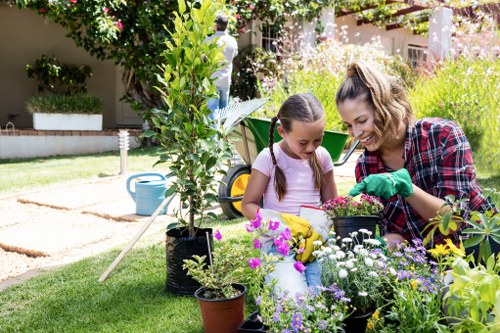 Transport is another important part of sustainability, so we are steadily moving toward low-carbon vans and more fuel-efficient vehicles. These vans help reduce emissions on regular site visits, waste runs, and material deliveries. By planning routes carefully and combining loads where practical, Purley landscaping services can lower fuel use while still maintaining reliable scheduling. This is particularly valuable for recurring maintenance and multi-stage projects that require several journeys.
We also pay attention to how and when materials are delivered. Smaller, better-planned drops can reduce wasted journeys and help avoid over-ordering. On many landscaping in Purley jobs, this means fewer partial loads, less idle time, and a more efficient use of resources from start to finish. The same thinking applies to plant stock, aggregates, and recycled materials, all of which are selected with performance and environmental impact in mind.
Beyond transport, sustainable working practices include reducing single-use materials, protecting existing trees and soil structure, and choosing durable products that last longer in the garden. These choices may not always be visible at first glance, but they make a real difference over the life of a project. For Landscaping Purley, sustainability means balancing appearance, function, and long-term responsibility.
Local Recycling Culture and Community Value
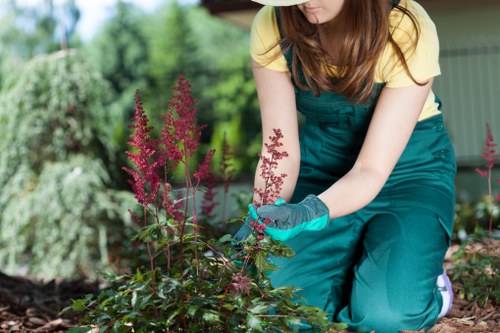 The local area’s approach to waste separation also supports greener landscaping outcomes. Borough-led recycling habits often encourage residents to sort garden waste, mixed recycling, and residual waste carefully, which improves awareness of how materials can be handled on site. In turn, purley landscaping teams can work more effectively with clean, separated loads that are easier to recover and reuse. This shared mindset helps build a better system from the garden gate to the transfer station.
We view sustainability as a practical responsibility rather than a marketing phrase. That includes using reclaimed materials where suitable, reducing spoilage, and choosing methods that minimise disruption to the environment. In Landscaping Purley projects, even small details matter, such as separating topsoil from hardcore, recycling plant containers where possible, and keeping green waste uncontaminated so it can be processed efficiently. These actions add up to meaningful environmental benefits.
 By combining recycling targets, local transfer station partnerships, charity reuse opportunities, and low-carbon vans, we aim to keep our service as responsible as possible. For clients seeking landscaping in Purley with a lower environmental footprint, this approach offers a dependable way to improve outdoor spaces while supporting circular resource use. Whether the work involves clearance, redesign, or regular garden maintenance, our sustainability practices help ensure the project contributes positively to both the property and the wider community.